Coal Mining Risk Assessments

Our specialist team of geologists and engineers at GRM have been helping landowners and developers understand and mitigate a wide range of mining related scenarios for over 30 years.
Why Do I Need a Coal Mining Risk Assessment?

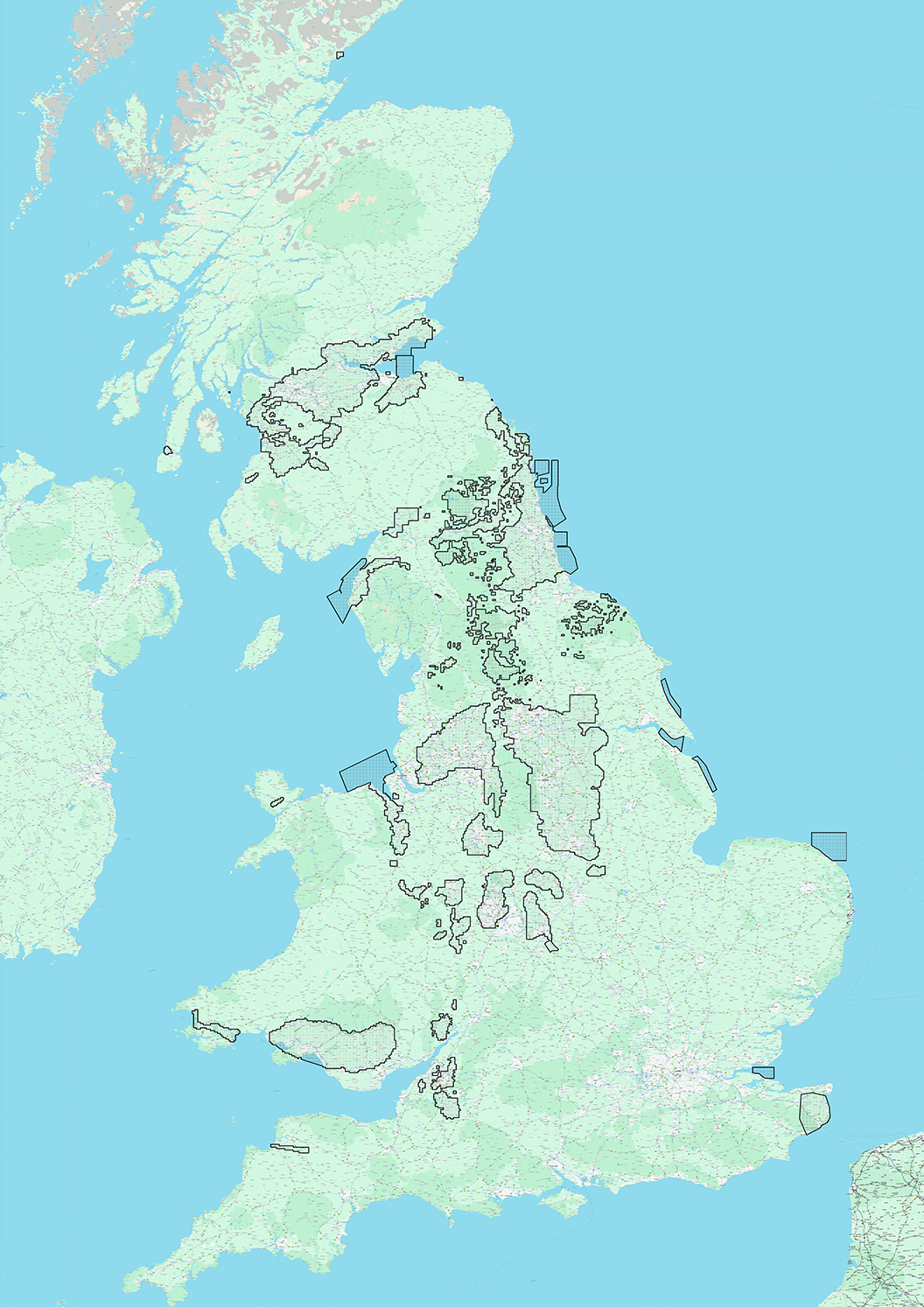
Approximately 11% of Great Britain is located within the defined Coalfield Consultation Area, also referred to as the coal mining reporting area, and is potentially at risk from mining related hazards such as ground subsidence and mine gas emissions.

15% of the Coalfield Consultation Area is also defined as a Development High Risk Area. Properties in Development High Risk Areas are considered to be at greater risk from shallow historic coal mining.

Under current planning requirements, development sites within defined coal mining areas require the risks posed by both recorded and unrecorded coal mining to be assessed.

As a minimum, a site within a Coalfield Consultation Area will require a Mining Report from the Mining Remediation Authority (formerly the Coal Authority), which will determine whether or not a more detailed Coal Mining Risk Assessment (CMRA) is required.

For sites located in a Development High Risk Area, the Mining Remediation Authority will object to planning applications that do not have a CMRA. Furthermore, some Local Authorities will not register planning applications without a CMRA.

GET IN TOUCH TO DISCUSS YOUR PROJECT

British Geological Survey /Mining Remediation Authority materials © UKRI 2026

British Geological Survey /Mining Remediation Authority materials © UKRI 2026

Why Do I Need a Coal Mining Risk Assessment?

Approximately 11% of Great Britain is located within the defined Coalfield Consultation Area, also referred to as the coal mining reporting area, and is potentially at risk from mining related hazards such as ground subsidence and mine gas emissions.

15% of the Coalfield Consultation Area is also defined as a Development High Risk Area. Properties in Development High Risk Areas are considered to be at greater risk from shallow historic coal mining.

Under current planning requirements, development sites within defined coal mining areas require the risks posed by both recorded and unrecorded coal mining to be assessed.

As a minimum, a site within a Coalfield Consultation Area will require a Mining Report from the Mining Remediation Authority (formerly the Coal Authority), which will determine whether or not a more detailed Coal Mining Risk Assessment (CMRA) is required.

For sites located in a Development High Risk Area, the Mining Remediation Authority will object to planning applications that do not have a CMRA. Furthermore, some Local Authorities will not register planning applications without a CMRA.

ther industrial waste liable to produce ground gases.

GET IN TOUCH TO DISCUSS YOUR PROJECT

What is Involved in a Coal Mining Risk Assessment?

A CMRA is a desk-based study that researches the historical mining legacy of a site and provides a site-specific assessment of the risks that could affect future developments. This can include ground subsidence (from underground and surface mine workings), mine shaft entries, and mine gas.

We use historical ordinance survey maps, geological maps, mining records (memoirs/maps/plans) and over 30 years of experience to characterise the site and evaluate the level of risk to the proposed development. If the risk is deemed too high at that stage, further on-site ground investigations may be required such as boreholes which can help to confirm the level of risk.

All CMRAs should identify coal mining features present within a defined area and the risks these pose. The assessment should also set out any investigatory works and the remedial or mitigation measures needed. The CMRA must demonstrate to the local planning authority that the site is suitable for the proposed development and can be made safe and stable.

CONTACT US FOR MORE INFORMATION

How Much Does a CMRA Cost and How Long Does it Take?

GRM currently offer a fixed price of £495 plus vat for the initial desk-based Coal Mining Risk Assessment. Note: our cost includes a Mining Report from the Mining Remediation Authority, which is often required as part of the CMRA (you should check this is included when comparing quotes from different CMRA suppliers).

We usually allow seven days to complete a CMRA, which gives us enough time to collect all the data from various sources, assess the risks and complete the report.

CONTACT US TO DISCUSS YOUR PROJECT

Example of the complexity of mine workings, in this case in South Derbyshire close to our head office in Burton on Trent. British Geological Survey /Mining Remediation Authority materials © UKRI 2026

Example of the complexity of mining workings, in this case in South Derbyshire close to our head office in Burton on Trent. British Geological Survey /Mining Remediation Authority materials © UKRI 2026

How Much Does a CMRA Cost and How Long Does it Take?

GRM currently offer a fixed price of £495 plus vat for the initial desk-based Coal Mining Risk Assessment. Note: our cost includes a Mining Report from the Mining Remediation Authority, which is often required as part of the CMRA (you should check this is included when comparing quotes from different CMRA suppliers).

We usually allow seven days to complete a CMRA, which gives us enough time to collect all the data from various sources, assess the risks and complete the report.

CONTACT US TO DISCUSS YOUR PROJECT

Why Choose GRM for your CMRA?

GRM has been helping landowners and developers understand and mitigate a wide range of mining related scenarios for over 30 years. On sites where past mining activity has been identified as a risk, our team of Chartered Geologists and Engineers can then advise on the most appropriate and cost-effective way to remove the risk to your site and render it suitable for the proposed end-use.

We have a dedicated team of professional geologists and engineers who have extensive experience supporting landowners and property developers with coal mining risk assessments. This includes providing advice and mitigation identified from the initial desk-based study or subsequent on-site ground investigations (should the need be identified).

Any risk assessment can get through planning if it recommends Probe Drilling, however, GRM prides itself on producing high quality risk assessments and we will not recommend Probe Drilling unless we believe it is absolutely necessary in order to quantify the risk. Probe drilling costs for a small site are likely to be more than 10 times the cost of a good CMRA and can result in significant disturbance and clean-up costs too.

Our teams have delivered CMRAs for a wide range of clients from individual domestic property owners through to large housing developers. In all cases we take pride in our professional and supportive approach, which typically leads to additional or repeat work with the client (over 80% of our work comes from existing clients who trust us and benefit from our proven track record of saving both time and cost).

Examples of recent GRM news stories related to coal mining and mitigation can be found via the following links:
GET IN TOUCH WITH OUR TEAM

Why Choose GRM?

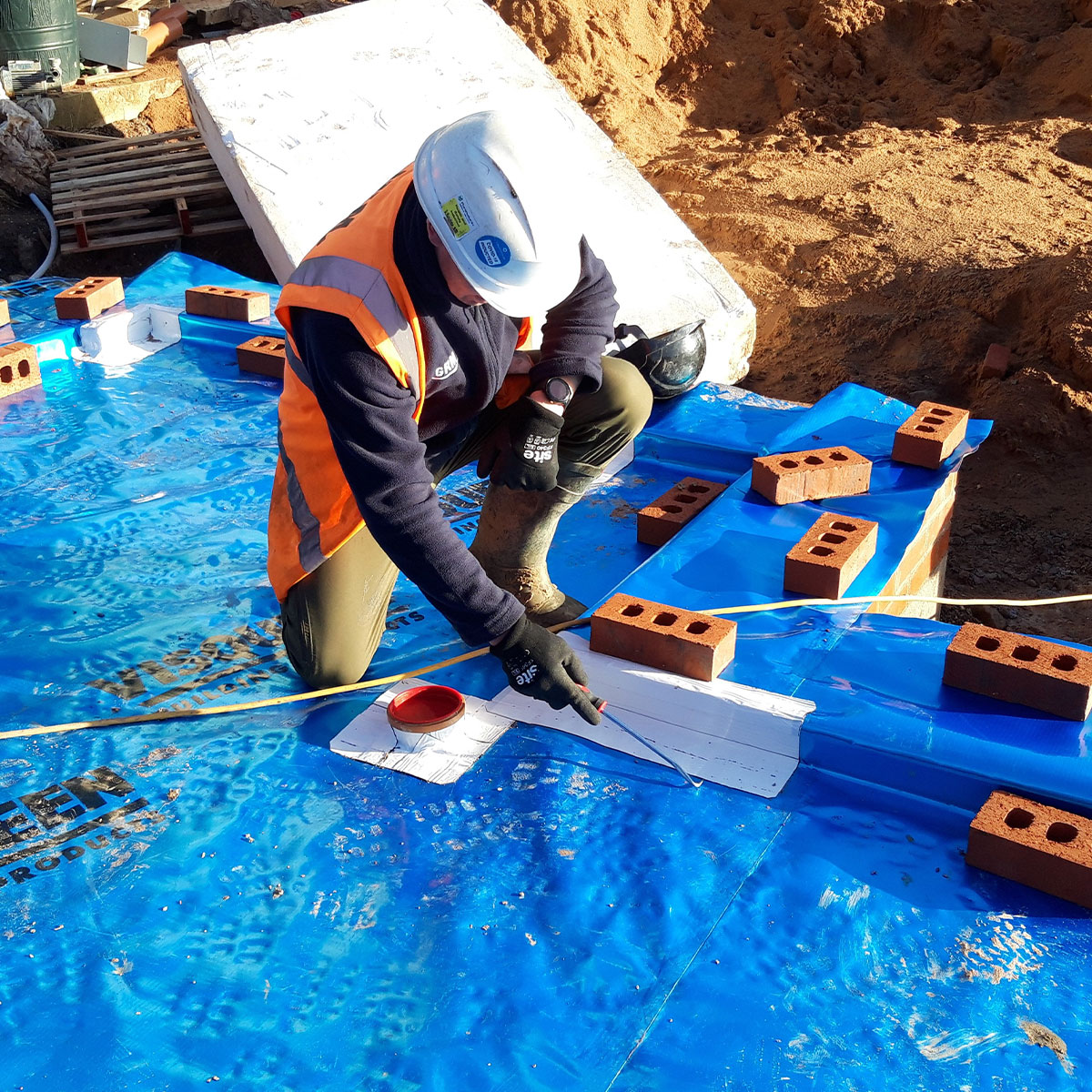
We have a dedicated team of experienced inspectors who have all qualified through professional training courses including the CL:AIRE Verification of Gas Protection Systems, in addition to practical on-site training. Our GRM team work across the UK on both residential and commercial developments and can often attend at short notice.

Led by Siobhan Jackson, a Chartered Environmental Scientist with over 20 years of expertise in the land contamination industry, our team ensures the highest standards of service and professionalism. GRM is also of the founding members of the British Verification Council (BVC).

Examples of recent GRM news stories related to gas membrane inspections can be found via the following links:

New Radon Gas Data has Implications for Landowners, Developers & Homeowners

Increasing Importance of Ground Gas Assessments & Membrane Verification

New Gas Monitor ‘Detected’ at GRM Offices

GET IN TOUCH TO DISCUSS YOUR PROJECT

Accreditations

Chas logo
SMAS logo
BSI logo
BVC logo
AGS logo
Constructionline logo

Get in Touch with the GRM Team