

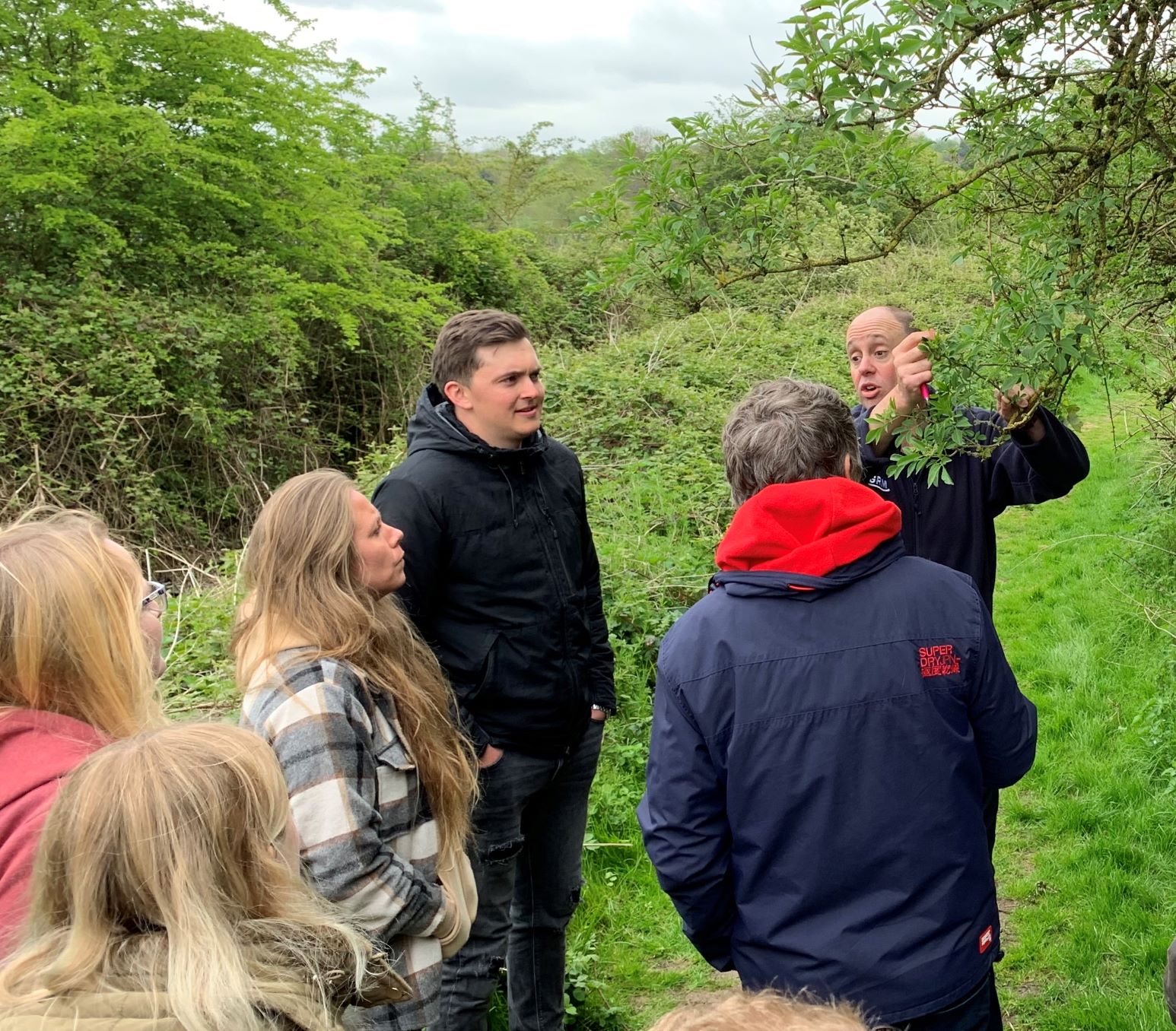
Despite the current changeable weather patterns that are typical of this time of year, the emergence of tree blossom and leaf growth are tell-tale signs that Mother Nature has her eyes firmly focused on the imminent arrival of Spring.
For the teams at GRM, however, it is more about what trees are doing below ground that is of interest, or to be more specific, what their roots are doing to the surrounding soil through the removal of water.
Landowners and developers often underestimate the impact that trees and their roots can have on their projects, and it is our job to assess and advise clients especially where the trees are being retained as an integral part of the planned development.
Our regular and ongoing staff training includes both theoretical and practical assessment of the different tree types and the varying factors that impact potential developments, including:
Soil type: Water take-up by tree roots impacts different soils in different ways. Of most importance are trees growing in clay rich soils, which are susceptible to volume change as water is removed by tree roots. Clay soils are classified as having either low, medium, or high-volume change potential.
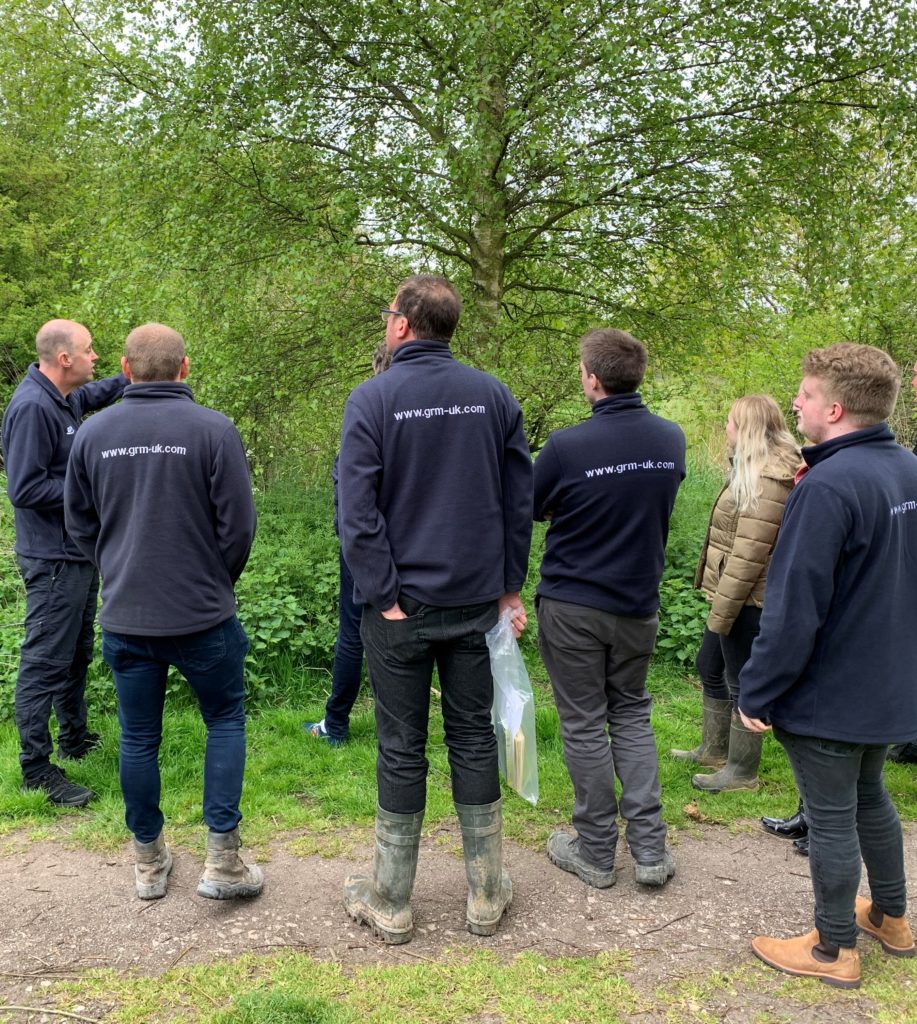
Root water demand: Different tree types have different water demands, typically categorised into high, moderate, and low. For example, oak, willow, and poplar all have high water demand roots, while birch trees have a low water demand.
Tree height: larger trees will understandably have a greater root network. But it is also important to remember to forecast future growth and likely maximum tree height once they reach maturity too.
Density of trees: higher density means more roots, and therefore higher water demand in that specific area (even for lower water demand trees such as birch).
If you have any development or construction projects, then please get in touch to find out how we can help save both time and costs. Please use your main point of contact at GRM or for new enquiries email richard.upton@grm-uk.com or call 01283 551249.